I have come across a few men named Richard Hatch, so here's a quick low-down.
Colonial Richard Hatch
In
early 17th-century Virginia, a young apprentice named Richard Hatch was
brought before the colony's ruling council. Apparently, Richard had
made an indiscreet comment (in a private home) concerning the execution
of a fellow colonist for sodomy. Richard had said "'that in his
consyence' he thought that the settler was 'put to death wrongfully.'"*
For such apparently egregious sass, Richard was sentenced to be whipped
to and from the gallows, stand in the pillory, lose one of his ears, and
restart his term as an apprentice (despite being nearly finished). A
harsh punishment indeed!
*James West Davidson and Mark Hamilton Lytle, After the Fact: The Art of Historical Detection, 6th edition (New York: McGraw-Hill, 2010), 46. This is a really cool book about American history; I recommend you check it out at a library because it's a bit expensive.
Actor Richard Hatch
Richard Lawrence Hatch is an actor who was born 21 May 1945. Although he has appeared in the odd episode of Murder She Wrote and The Love Boat, he is best known for Battlestar Galactica.
Richard appeared in the original BG as Captain Apollo. That show lasted
for only one season (1978). Richard spent years trying to revive BG,
but when the show was remade in 2003 he was initially not a part of it.
Richard was highly critical of the new show before it even aired, but he
was reconciled. In 2004 he was cast as Tom Zarek, making him the only
actor to appear in both versions of BG.
http://en.wikipedia.org/wiki/Richard_Hatch
Survivor Richard Hatch
This
Richard Hatch is the infamous winner of the first season of Survivor,
which aired back in 2000. He's famous for playing naked (eww), being an
asshole, and going to prison for tax evasion. Hatch was so sinister
that in 2013 TV Guide placed him on their list of "The 60 Nastiest Villains of All Time." Wow.
http://en.wikipedia.org/wiki/Richard_Hatch_%28Survivor_contestant%29
Thursday, 15 August 2013


Friday, 9 August 2013
Bran Castle and Poenari Fortress, Romania
I just got back from Romania, so I thought I would share some castle pictures. These are not directly related to Dicks, but everyone loves a good castle, so I hope you all will let it slide.
Bran Castle


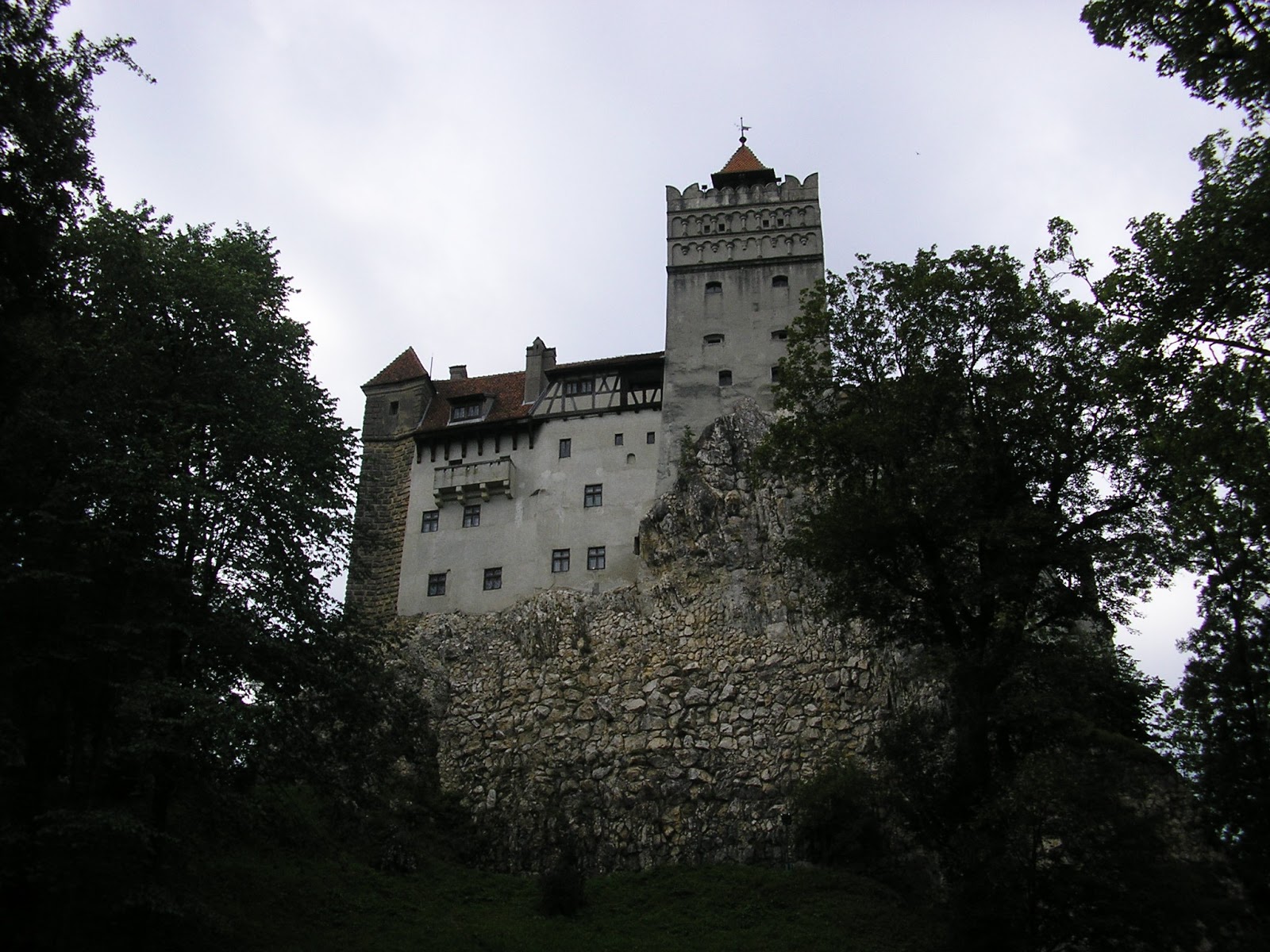
For medieval purposes, Bran Castle is not so hot. The castle is in really nice shape because the royal family lived there during the inter-war years. Consequently, the castle has been updated, so you don't see much that screams "medieval," aside from it being a castle. Bran looks somewhat medieval from the outside, though. Despite that, it's a fun place to visit. It can get a bit crowded in the summer (the interior of the castle is not very large), but if you arrive before 11 AM, you should be fine. Bran Castle is not associated with Vlad the Impaler, but Bram Stoker said in his novel that Count Dracula lived in Bran Castle.
Poenari Fortress is associated with Vlad: he built part of it. Because of that, the fortress has fake impaled people at the entrance for your viewing pleasure. The rest of the castle is largely in ruins, so you really get that medieval vibe.

Visiting Poenari is not for the faint of heart. You have to climb 1480 stairs to reach the top. Thankfully, the stairs are under shade, but it's quite the hike. The views are great, though, and you get a real sense of accomplishment when you reach the top!


Thursday, 1 August 2013
Richard Brinsley Sheridan
This Richard was a playwright and politician in eighteenth-century England. He is best known for his plays, such as The Rivals, School for Scandal, and A Trip to Scarborough (the first two are probably more famous than the third).
Richard was born in Dublin, Ireland on 30 October 1751. The family moved to London when Richard was seven, and he spent most of the rest of his life in England.
Aside from being a talented playwright, Richard was surrounded by talented people. His mother was a playwright and novelist, while his father wrote a number of books about education and the need to standardize the English language. Richard's wife, Elizabeth (daughter of a composer), had a beautiful singing voice and regularly sold-out concert halls in her youth. Her father wanted her to marry a man she didn't like (not Richard), and her domestic drama was subsequently made into a play entitled The Maid of Bath (it was a comedy, however).
Speaking of Richard and Elizabeth, the early days of their marriage were fit for the stage. The two eloped in 1772, when Richard was on the cusp of 21 and Elizabeth was three years younger. Although married in France by a Catholic priest, their marriage was deemed invalid since both were underage. Eventually, their marriage was accepted by Elizabeth's father (who had wanted her to marry a wealthier man), and the marriage was subsequently recognized as valid. The two were re-married in England in April of 1773.
During those early months, when the marriage's validity was touch-and-go, a man named Thomas Mathews publicly besmirched Elizabeth's honor in the newspaper. Naturally, Richard had to fight a duel to defend her. The initial duel was rather a non-starter. The two had to move venues (the initial place was too crowded), and Richard defeated Thomas without shedding any blood. Thomas later challenged Richard to a second duel, in which Richard was actually severely wounded. Obviously, he recovered.
Richard and Elizabeth moved to London, and Richard began to write and produce plays. The Rivals premiered in 1775. In 1776, Richard, his father-in-law, and another partner purchased half of the Drury Lane Theatre. By 1778 Richard owned the entire theatre.
Richard's most famous play, School for Scandal, appeared in 1777. It is considered to be one of the greatest comedies of manners ever written in English. Although Richard is not a household name today, his comedies are quite witty and carefully crafted. I recommend that you read some!
In 1780 Richard began his second career as a member of Parliament. He was a Whig and (of interest to us Americans) a supporter of the American colonists in their rebellion. During his 32 years in Parliament (Richard failed to win re-election is 1812), Richard gave many great orations and made plenty of sassy comments. As told by that glorious purveyor of knowledge, Wikipedia:
1793 Edmund Burke "made a speech in which he claimed there were thousands of French agents in Britain ready to use weapons against the authorities. To dramatically emphasise his point he threw down a knife onto the floor of the House of Commons. Sheridan is said to have shouted out "Where's the fork?", which led to much of the house collapsing in laughter." [From Arnold-Baker, Charles. The Companion to British History. Longcross Press, 1996, page 393].
If you would care to learn more about Richard's political career, check his entry in the great Oxford Dictionary of National Biography.
Anyway, Richard spent his entire life living beyond his means. Being an MP meant he couldn't be arrested for debt; when he lost his re-election bid in 1812, the creditors came calling. Since the Drury Lane Theatre had burned down in 1809, Richard didn't have much income and he died in poverty in 1816. He was, however, buried in Poet's Corner in Westminster Abbey and had a celebrity's funeral.
Despite his glorious wit, Richard was not entirely a roguish good guy. Despite the trouble he went through to marry Elizabeth, he had several affairs. His wife contemplated leaving him around 1789, but was persuaded otherwise. She ended up having an affair in 1791; her lover was the father of her daughter, born in 1792. This pregnancy (Elizabeth and Richard had a son born in 1774) exacerbated Elizabeth's tuberculosis and she died a few months later. Her daughter, treated by Richard as his child, sadly died in 1793. Richard remarried in 1795, and had a son with his second wife, Hester. In later years, Hester also had an affair. No doubt Richard did, too.
Although he was a man of many faults, Richard was highly regarded at his death. Even Lord Byron was a fan.
Read More:
A. Norman Jeffares, ‘Sheridan, Richard Brinsley (1751–1816)’, Oxford Dictionary of National Biography, Oxford University Press, 2004; online edn, Jan 2008 [http://www.oxforddnb.com].
http://en.wikipedia.org/wiki/Richard_Brinsley_Sheridan
http://en.wikipedia.org/wiki/Elizabeth_Ann_Linley
Wednesday, 24 July 2013
Richard Dean Anderson
Perhaps better known as either MacGyver or Jack O'Neill, Richard was
born in Minnesota on 23 January 1950. In his youth, Richard dreamed of
being a professional hockey player, but two broken arms subsequently
caused him to alter his dreams.
After dropping out of college because he wasn't feeling it, Richard eventually settled in Los Angeles (in the early 1970s). He worked a variety of jobs including: marine mammal trainer, musician at a medieval dinner theatre (sweet!), and juggler. Apparently, Richard really loved juggling, and once mentioned that he would like to teach circus arts to disadvantaged youths. (FYI: circus school is real. I have a friend who attends - she is learning the trapeze, among other things).
In 1976, Richard got his first big television role. He was cast as Dr. Jeff Webber on General Hospital. Richard played that part until 1981, after which he was on a series of short-lived shows.
Richard rocketed to fame in 1985 when he started playing MacGyver, lead character of the eponymous show. MacGyver's first name is Angus, but apparently viewers weren't privy to that fact until the last season. MacGyver ran for seven seasons (1985-1992), and was a very busy time for Richard. Since he was the star (along with his Swiss Army knife), he was in almost every frame. According to him, he had very little time for a life during those seven years.
From 1997 to 2005, Richard played Jack O'Neill in the television show Stargate SG-1. The show was based on the movie Stargate; Richard played the character initially played by Kurt Russell. The president of MGM asked Richard to act in the show, which Richard agreed to after careful consideration. Richard had two requests: he could portray his character in a more comedic way than Russell had in the movie and the show would be an ensemble cast. Richard did not want to be as busy as he had been when filming MacGyver. I think those were reasonable requests. Comedy rules, and ensemble shows are great. They give more actors a chance to shine. I realize Richard was primarily thinking of himself when making that request, but it's nice for a more-established actor to request more screen time for the lesser-knowns.
Richard had a daughter in 1998. As she grew, he wanted to spend more time with her. Consequently, Richard reduced his appearances on Stargate, becoming a frequent guest star rather than a permanent cast member. He has also appeared in Stargate follow-ups Stargate Atlantis and Stargate Universe.
Richard was made an honorary brigadier general by the Air Force in 2004 because Stargate portrayed the Air Force in a positive light. He has also received awards from the Make-A-Wish Foundation, he avidly supports the Special Olympics, and he works to combat water pollution and multiple sclerosis.
Overall, Richard sounds like a cool guy. He enjoys The Simpsons and happily stars in commercials that mock MacGyver. What a good sport.
http://en.wikipedia.org/wiki/Richard_Dean_Anderson

MacGyver!!!!!!

Richard in 2008
After dropping out of college because he wasn't feeling it, Richard eventually settled in Los Angeles (in the early 1970s). He worked a variety of jobs including: marine mammal trainer, musician at a medieval dinner theatre (sweet!), and juggler. Apparently, Richard really loved juggling, and once mentioned that he would like to teach circus arts to disadvantaged youths. (FYI: circus school is real. I have a friend who attends - she is learning the trapeze, among other things).
In 1976, Richard got his first big television role. He was cast as Dr. Jeff Webber on General Hospital. Richard played that part until 1981, after which he was on a series of short-lived shows.
Richard rocketed to fame in 1985 when he started playing MacGyver, lead character of the eponymous show. MacGyver's first name is Angus, but apparently viewers weren't privy to that fact until the last season. MacGyver ran for seven seasons (1985-1992), and was a very busy time for Richard. Since he was the star (along with his Swiss Army knife), he was in almost every frame. According to him, he had very little time for a life during those seven years.
From 1997 to 2005, Richard played Jack O'Neill in the television show Stargate SG-1. The show was based on the movie Stargate; Richard played the character initially played by Kurt Russell. The president of MGM asked Richard to act in the show, which Richard agreed to after careful consideration. Richard had two requests: he could portray his character in a more comedic way than Russell had in the movie and the show would be an ensemble cast. Richard did not want to be as busy as he had been when filming MacGyver. I think those were reasonable requests. Comedy rules, and ensemble shows are great. They give more actors a chance to shine. I realize Richard was primarily thinking of himself when making that request, but it's nice for a more-established actor to request more screen time for the lesser-knowns.
Richard had a daughter in 1998. As she grew, he wanted to spend more time with her. Consequently, Richard reduced his appearances on Stargate, becoming a frequent guest star rather than a permanent cast member. He has also appeared in Stargate follow-ups Stargate Atlantis and Stargate Universe.
Richard was made an honorary brigadier general by the Air Force in 2004 because Stargate portrayed the Air Force in a positive light. He has also received awards from the Make-A-Wish Foundation, he avidly supports the Special Olympics, and he works to combat water pollution and multiple sclerosis.
Overall, Richard sounds like a cool guy. He enjoys The Simpsons and happily stars in commercials that mock MacGyver. What a good sport.
http://en.wikipedia.org/wiki/Richard_Dean_Anderson
MacGyver!!!!!!
Richard in 2008
Tuesday, 16 July 2013
Dicks Getting Crowns
July is a big month for Richards becoming kings. Today, July 16, was
the day of Richard II's coronation back in 1377. Richard was only ten
years old at the time, and he supposedly was so tired by the end that
Sir Simon Burley, his tutor, had to carry him out.
Earlier this month was the coronation of Richard III and his wife Anne Neville. This double coronation took place on July 6, 1483.
Finally, Henry II died on July 6, 1189. Consequently, Richard I became king on July 6 - the same day Richard III had his coronation. Did Richard III do that on purpose?
Some images to celebrate:
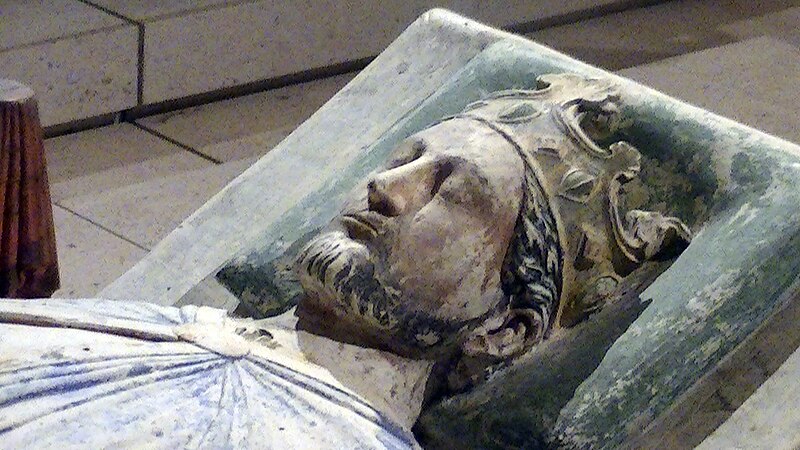


Earlier this month was the coronation of Richard III and his wife Anne Neville. This double coronation took place on July 6, 1483.
Finally, Henry II died on July 6, 1189. Consequently, Richard I became king on July 6 - the same day Richard III had his coronation. Did Richard III do that on purpose?
Some images to celebrate:
Thursday, 11 July 2013
Richard Hunt
Richard Hunt was an American puppeteer, best known for his work with the Muppets.
Richard was born 16 August 1951 and showed an early interest in puppets, putting on shows for local children when he was in middle and high school. After briefly serving as a weatherman, Richard got in touch with Jim Hensen and became one of the Muppets crew in 1969.
Richard portrayed a variety of characters for Sesame Street, The Muppet Show, and Fraggle Rock. On Sesame Street, Richard voiced characters such as Placido Flamingo, Gladys the Cow, and Elmo (an early version). On Fraggle Rock, he was Junior Gorg. Most of Richard's work, however, was with the Muppets. For a time, he and Frank Oz shared the role of Miss Piggy. Later Richard voiced and controlled Scooter, Janice, Beaker, Statler, and Sweetums.
Sadly, Richard died on 7 January 1992 from complications from AIDS. He was sorely missed by the Muppet Family. To read some tributes to Richard (including one written by Kermit the Frog), click here.
http://en.wikipedia.org/wiki/Richard_Hunt_%28puppeteer%29
Wednesday, 3 July 2013
Dick Trickle
I heard this name a couple of months ago, and I was highly amused by
it. Now that I have read about Richard "Dick" Trickle, I feel a bit bad
about finding his name so hilarious.
Dick was a famous race-car driver. About the only things I know about car racing are that it involves cars and racing to finish first, so bear with me here.
It seems that Dick specialized in short-track racing. According to some estimates, Dick was in over 2,200 races and won more than 1,200. That sounds pretty amazing to me. Baseball players are considered good if they can bat .500, and Dick has that beat.
Dick was born on 27 October 1947 in Wisconsin. At the tender age of 8, he fell and broke his hip. He had to wear a cast, covering his body from waist to foot, for three years! His recovery was so slow that his doctors thought he would end up a life-long invalid, but Dick was able to walk again, albeit with a slight limp.
It was while he was still in a cast that he saw his first car race. He never forgot it. Although Wikipedia doesn't say so, I like to theorize that he was so mesmerized by the cars because he saw in them a way to get around without walking (he was still in a cast at the time, remember). If I were writing a screenplay of his life, little Dick would say something to that effect. Get on it, Hollywood!
As a teen, Dick worked some in a blacksmith's shop. He learned a great deal about machinery. In the late 1950s, Dick would purchase regular cars and turn them into race cars himself. I'm impressed by this. I thought all race-car drivers did was drive fast cars; I didn't realize that some drivers also built them. Way to go, Dick!
At first, Dick mostly raced within Wisconsin. In fact, he had a day job for a few years before he decided to race full time. Even then, Dick was still largely doing his own car work, although he sometimes had help with the engine.
He was, obviously, a successful racer. In 1968 he was the USAC Stock Car Rookie of the Year. In 1989, he made his NASCAR debut, winning "Rookie of the Year" at the Winston/Sprint Cup. He was 48 years old, and he made a joke about it, saying "I guess I’d just like to thank everyone who gave a young guy like me a chance". He won a NASCAR race in 1990, but was more of a top-ten finisher than a number one racer. But that's pretty good, especially since he had already finished a full racing career.
Apparently, Dick was a committed smoker. He had a hole drilled in his safety helmet so that he could insert a cigarette.
Sadly, Dick committed suicide on 16 May 2013. Dick shot himself around noon at a cemetery in North Carolina. Before killing himself, he had called the police to report his own suicide, although he had not left his name. Dick's family released a statement saying Dick had been in chronic pain, and, despite consultations with many doctors, had been unable to find relief. Dick was only 71.
Dick was survived by his wife, children, and grandchildren. Some of his family, however, predeceased him. According to Wikipedia, he had a nephew who was killed in a drive-by shooting and a granddaughter who was killed in a car accident (and buried in the cemetery in which he committed suicide). That's a lot of tragedy for one family.
http://en.wikipedia.org/wiki/Dick_Trickle
Subscribe to:
Posts (Atom)